
The Novel’s Final Manuscript Frame
The Reincarnationist PapersThe three notebooks turn Evan’s memoir into a message aimed at a future self, leaving the reader between a recorded past and an unresolved ending.
increasing Bearing strength in each event
 decreasing
Bearing strength in each eventdecreasingA Story Set Down
A Story Set Down
Writing begins in confinement
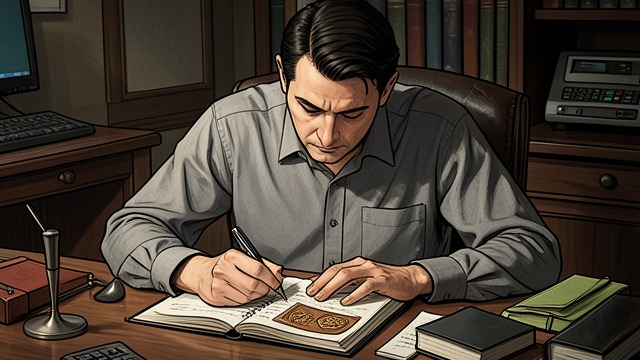
Evan uses notebooks from a relief parcel to record the events that led him to the prison. The act gives his vacant hours structure and keeps his attention from becoming fixed entirely on his surroundings.
The past examined
As he writes, Evan sees changes in the person who began the story. The account becomes a way to reconsider his choices rather than merely preserve a sequence of events.
A manuscript with a purpose
Evan does not know whether he is composing an epilogue or the true beginning of his story. The uncertainty turns the notebooks into an unfinished inquiry rather than a settled autobiography.
A Language Kept Secret
A Language Kept Secret
The oath limits disclosure
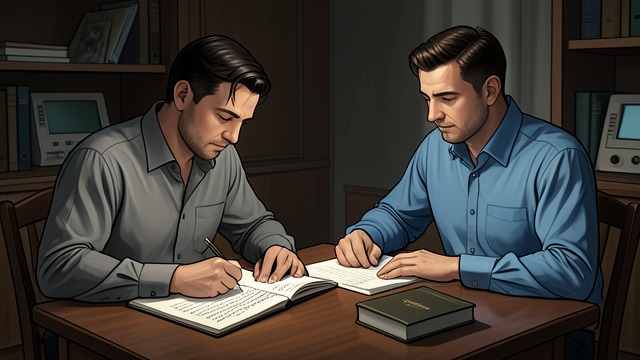
Evan cannot tell Reginald about the Cognomina because of the secrecy oath. He writes in Bulgarian so his cellmate will not understand the manuscript’s full meaning.
A story entrusted outward
Evan asks Reginald to carry the notebooks away and keep them until a future young person comes looking. The request depends on trust between cellmates who have shared only a short part of their lives.
A reader imagined
Evan cannot control whether the story will reach its intended recipient. His plan expresses hope that a future self may discover the record and recognize the person who wrote it.
The Future Reader
The Future Reader
A message across incarnations
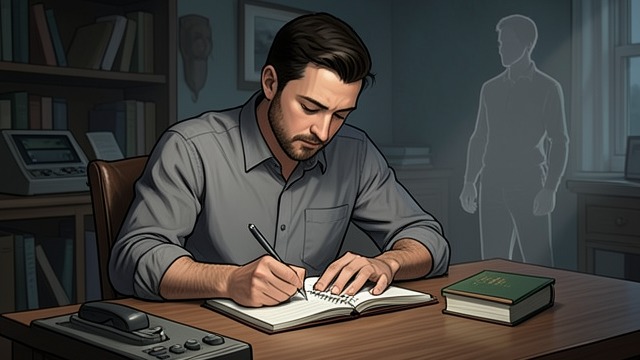
Evan imagines that someone may arrive years later without knowing why the notebooks matter. The work is addressed both to a stranger and to a possible future version of himself.
Memory carried in writing
The paper becomes a substitute for direct communication across death and separation. Evan hopes it will preserve details that his later self might need when memories return.
A fragile inheritance
Unlike the Cognomina’s formal custody of wealth, the notebooks depend on a single promise. Their survival remains uncertain, making the act of writing an expression of hope rather than guaranteed continuity.
The Closing Poem
The Closing Poem
A soul in many forms
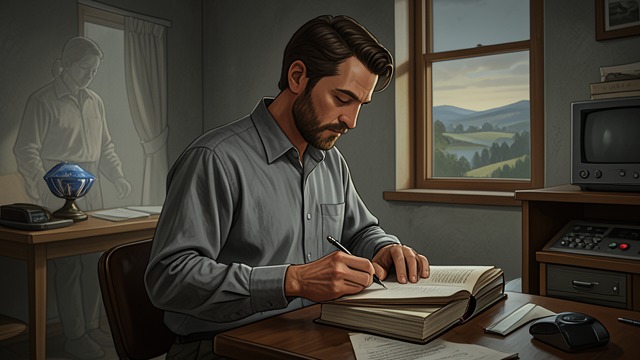
Evan closes the account with lines from John Donne about a soul moving through forms, lands, and historical change. The poem gives literary shape to the lives and memories that have filled his narrative.
A home sought through travel
Its language of sailing toward home echoes Evan’s search for the Cognomina and his later separation from it. The ending does not confirm that he has reached a final destination.
Beginning and ending overlap
The poem imagines a low and fatal room as part of a larger journey. Its placement leaves prison as both a possible end to Evan’s account and the beginning of what a future reader may discover.
The Manuscript Reaches Rome
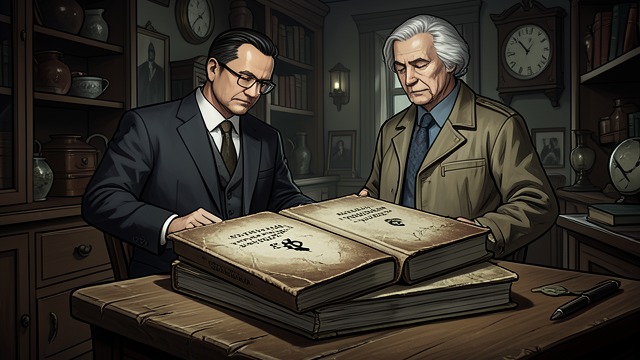
The Manuscript Reaches Rome
A found object
The author’s explanatory note says that three plain notebooks came into his possession in an antique shop in Rome. Their Bulgarian writing makes them difficult to identify at first.
Translation opens the account
After learning the language, the translator works with a Bulgarian speaker to render Evan’s narrative into English. The story shifts from a private prison document into a text available to another audience.
The frame remains uncertain
The book presents the notebooks as Evan’s account, yet the reader receives them through a later act of discovery and translation. That frame preserves the possibility that the manuscript is a message whose intended future has begun to unfold.
Several months into Evan’s imprisonment
Before Reginald’s release
At the close of Evan’s prison account
On the final pages of the notebooks
At the turn of the millennium
